Articles on psychology and neuropsychology
How these things actually work, and what tends to help. No promises, and nothing here replaces seeing someone.
Therapy
 I can't sleep for going over thingsWhy your head starts up the moment you turn the light off, the difference between ruminating and actually solving something, and what helps when you have been sleeping badly for weeks.
 Avoidance: what settles you today is what closes in on you tomorrowWhy avoiding what frightens you works so well in the short run and so badly in the long one, how to spot the avoidances that don't look like avoidance, and where you start getting ground back.
 A panic attack won't hurt you, even when it feels like it willWhat happens in your body during a panic attack, why it frightens you so much, what actually helps while it passes, and when to see a doctor first.
 When work follows you homeStill delivering, still exhausted: why the day does not end when you close the laptop, why the weekend stops repairing anything, and what changes when the office is a room in your flat.
- When to take a child or teenager to a psychologistHow to tell a phase from something worth looking at, without turning every slammed door into a case file — and how families abroad end up waiting longer than they meant to.
 Going blank when it mattersWhy the material disappears the moment the paper turns over, why it comes back in the corridor twenty minutes later, and what actually helps — including when you are performing in your second language.
 The child who won't go to schoolStomach aches on Sunday night, a negotiation at the school gate every Monday: how to tell an ordinary bad patch from a pattern, what to do about the mornings, and the extra layer when the family has recently moved country.
 You train well and then the day comesThe gap between what you can do on a Wednesday and what happens on the day it counts: what the nerves are doing, what to do with the first mistake, and why the car home is the worst place for the analysis.
Neuropsychology
- When forgetting stops being ordinaryEveryone loses their keys. What tells an ordinary lapse apart from a change worth looking at, and what to do first when you are the one noticing it from a distance.
 Child development: when it is worth askingTalking late, not sitting still, slow to read — when a gap is a rhythm and when it is a pattern, and how bilingual children get misread in both directions.
 What a neuropsychological assessment actually isWhat happens in a neuropsychological assessment, why it is always done in person at home, what language it can be carried out in, and how to read the profile that comes out of it.
 When memory starts changing how the house runsThe point where forgetting stops being private and starts reorganising the household — what to do when the person says there is nothing wrong, and how to arrange things from another country.
 How to raise it with a parent without it becoming a rowThe sentences that make it worse, the four habits worth dropping, and how to have this conversation when you only see them twice a year.
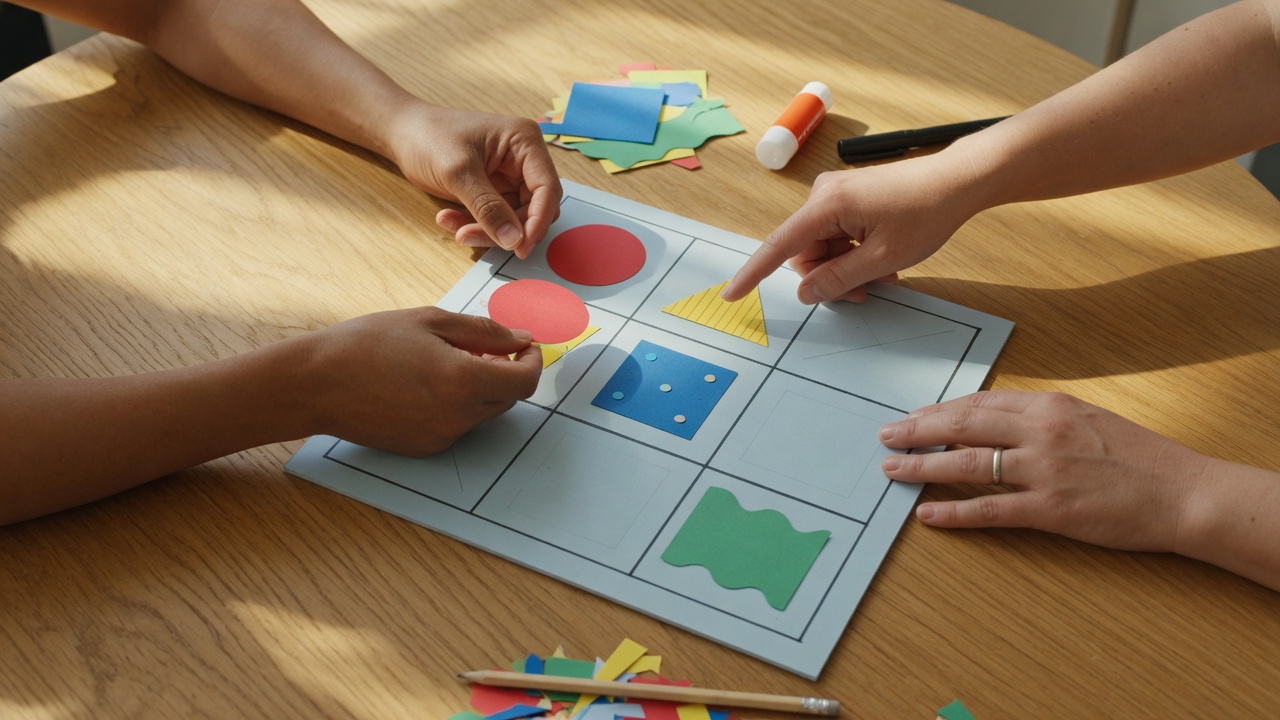 Cognitive stimulation is not a pack of worksheetsWhy "train your memory" means nothing until somebody knows what has actually slipped, what the work looks like when it is aimed at something, and why the best material is usually already in the house.
- Where the report ends and the doctor beginsWhat a neuropsychological report does say and what it deliberately does not, whether it is any use to a GP back in the UK, and how it sits alongside the medical route.
 When names stop coming backEveryone loses words — more so when you live in two languages. What separates the ordinary tip-of-the-tongue from the pattern worth looking at, and what to write down before an appointment.
 From a worry to a plan you can actually followWhat happens after the tests and the report: how a plan for daily life is put together, what gets reviewed and when, and what nobody should be promising you.